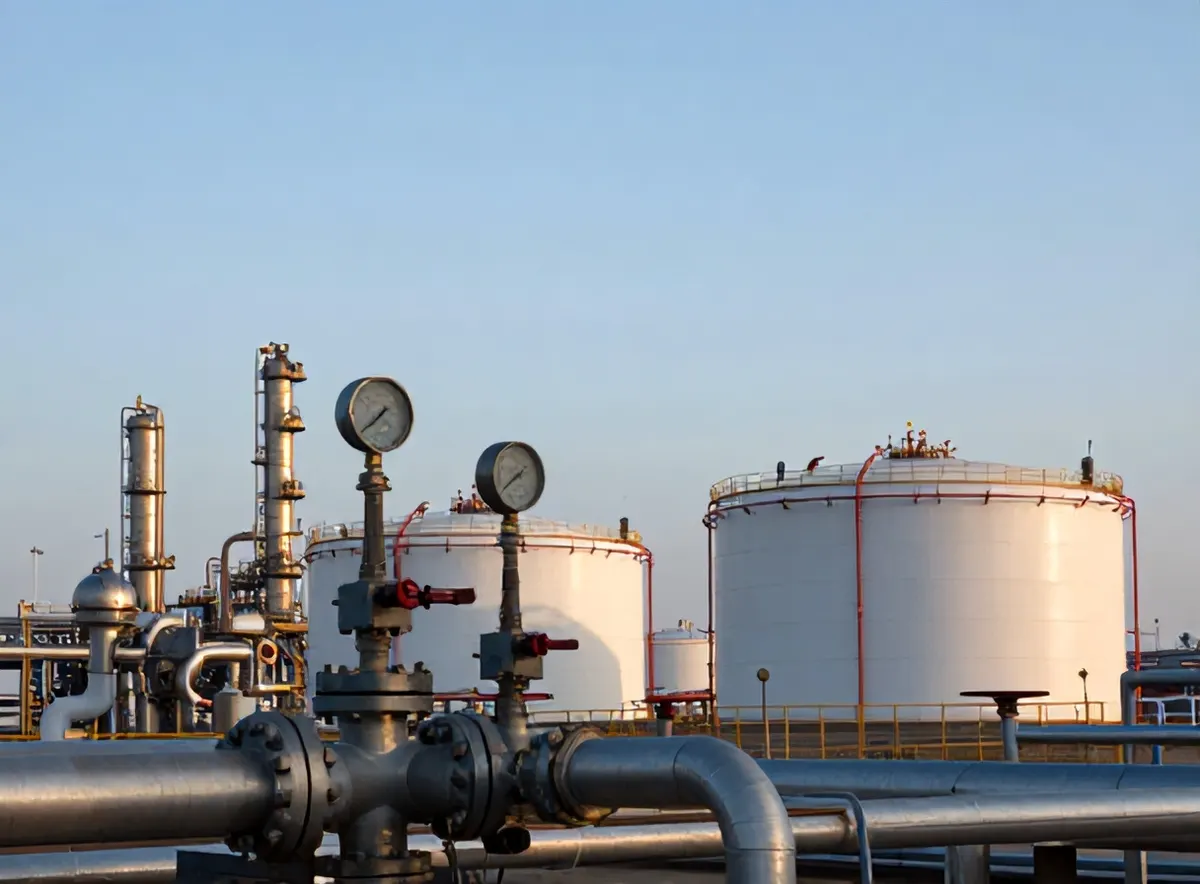
Several Western European nations have voiced growing opposition to any potential resumption of the conflict involving Iran, pointing to soaring global oil prices that are worsening the cost of living crisis across Europe. While countries such as the United Kingdom and Germany initially maintained silence regarding the US-Israeli bombardment of Iran, major European powers are now openly calling for diplomatic measures to resolve the hostilities that have disrupted international energy supplies.
The shift comes after leaders of Britain, France, and Germany originally issued a joint statement condemning Iran's retaliatory strikes across the region when the US and Israel initiated attacks on February 28. However, persistent energy market disruptions have led European officials to stress the direct economic risks of extended conflict. French Foreign Minister Jean-Noel Barrot warned that further escalation between Iran and the United States would produce "nothing but losers" and trigger severe consequences for global hydrocarbon prices.
Diverging approaches have emerged across European capitals concerning direct involvement and military facilitation. Germany stated early in the conflict that it would not restrict the United States from using American military installations on its soil, including Ramstein Air Base. In contrast, Spain took a firmer stance by closing its airspace to US aircraft participating in military operations related to the campaign.
Spanish Prime Minister Pedro Sanchez has consistently criticized the military campaign, reiterating at a recent European summit that the war is "illegal, unjust and unjustified" while drawing direct links to mounting domestic economic costs. European leaders continue to highlight the domestic impact, noting following the EU summit that households and industrial sectors are bearing the financial burden of a conflict occurring far beyond European borders. How will Europe balance its strategic alliances with the rising economic pressures on its citizens?