
A magnitude seven earthquake has hit a mountainous region in Tibet, killing at least 16 people and injuring dozens of others, according to Chinese state media reports. The centre of the tremor struck Baqên County in the Nagqu region on Thursday night, Xinhua reported, citing the local emergency management bureau. Baqên County is located approximately 400 kilometres north-east of the regional capital, Lhasa, in the area China designated as the Tibet Autonomous Region following its annexation in the 1950s.
In response to the tremor, regional authorities officially declared an emergency and deployed dedicated rescue teams to the affected area. Local emergency reports confirm that 32 people have been injured alongside the reported fatalities. Unverified videos circulating across social media showed residents running into streets as buildings shook violently in the dark during the event.
The earthquake caused substantial structural disruption across the mountainous zone. Local reports state that power has been cut off and 339 homes have collapsed across the impacted region. In addition to the damage near the epicentre, strong ground tremors were felt across other parts of Tibet, including the cities of Qamdo and Nyingchi.
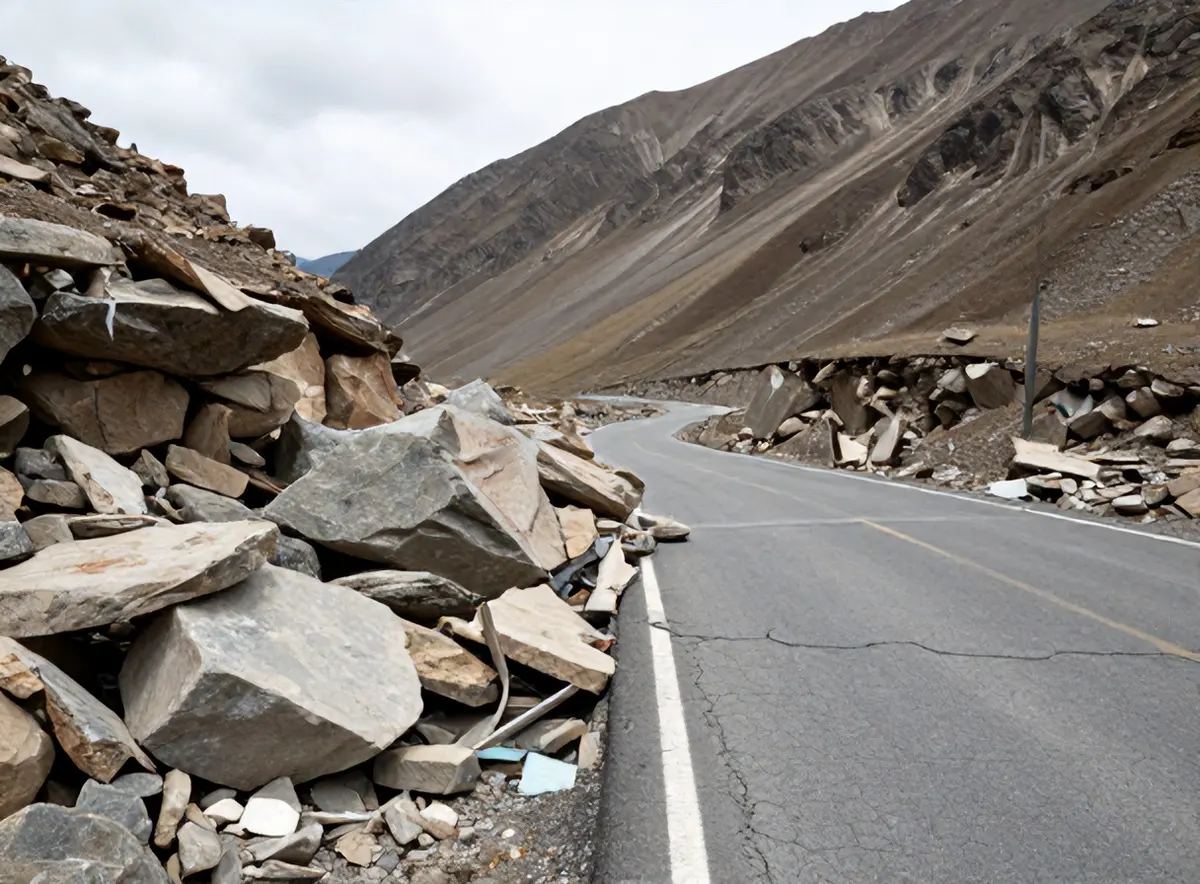
Emergency crews attempting to reach impacted high-altitude communities face major logistical obstacles. Rockfalls triggered by the tremor have forced local roads to close, creating difficult travel conditions and impeding the movement of rescue personnel and necessary resources into isolated mountain areas.
As emergency teams continue their efforts to navigate blocked access routes and deliver aid to affected residents, how can disaster response infrastructure in remote high-altitude regions be improved to withstand major seismic disruptions?