A magnitude 7 earthquake struck China's Tibet region on Thursday evening, killing at least 16 people and injuring 54 others. Official state media reported that the seismic tremor caused severe structural damage across the northern regional city of Nagqu, collapsing hundreds of homes. China's national broadcaster CCTV noted that the tremor was the largest earthquake to hit the region in the last five years.
Search and rescue operations continued following the collapse of at least 339 homes and 20 livestock sheds, according to the Nagqu media office citing city government officials. In response to the damage, more than 1,600 people from the local county were deployed to carry out emergency rescue efforts across affected areas.
Emergency supplies arrived in the region to support residents. Shipments included 1,000 prefabricated housing units, around 3,000 tents and folding beds, as well as flashlights and winter clothing to provide immediate shelter and relief.
The earthquake also caused significant infrastructure disruptions across northern Tibet. Official news agency Xinhua reported on Friday that communication services were down in part of the region. Meanwhile, local railway authorities enacted emergency actions to halt trains passing through the affected area.
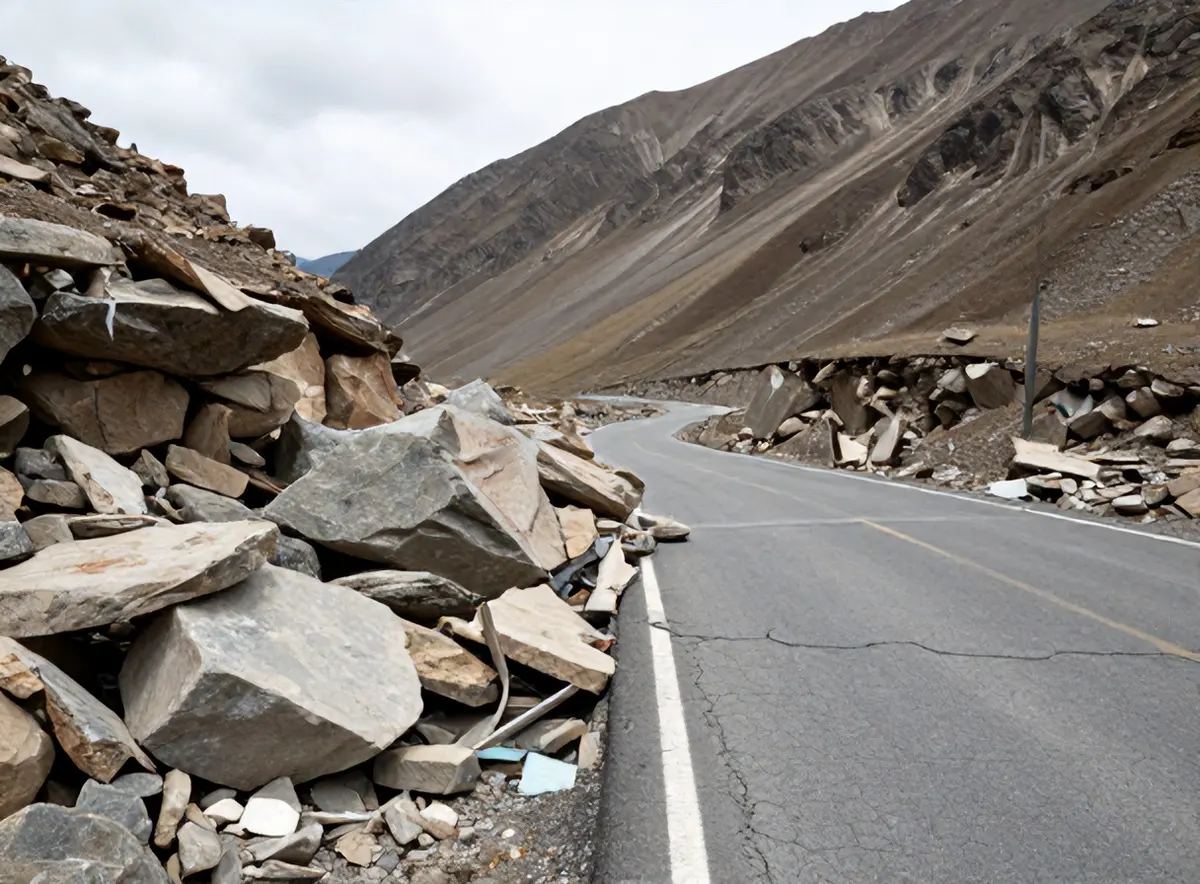
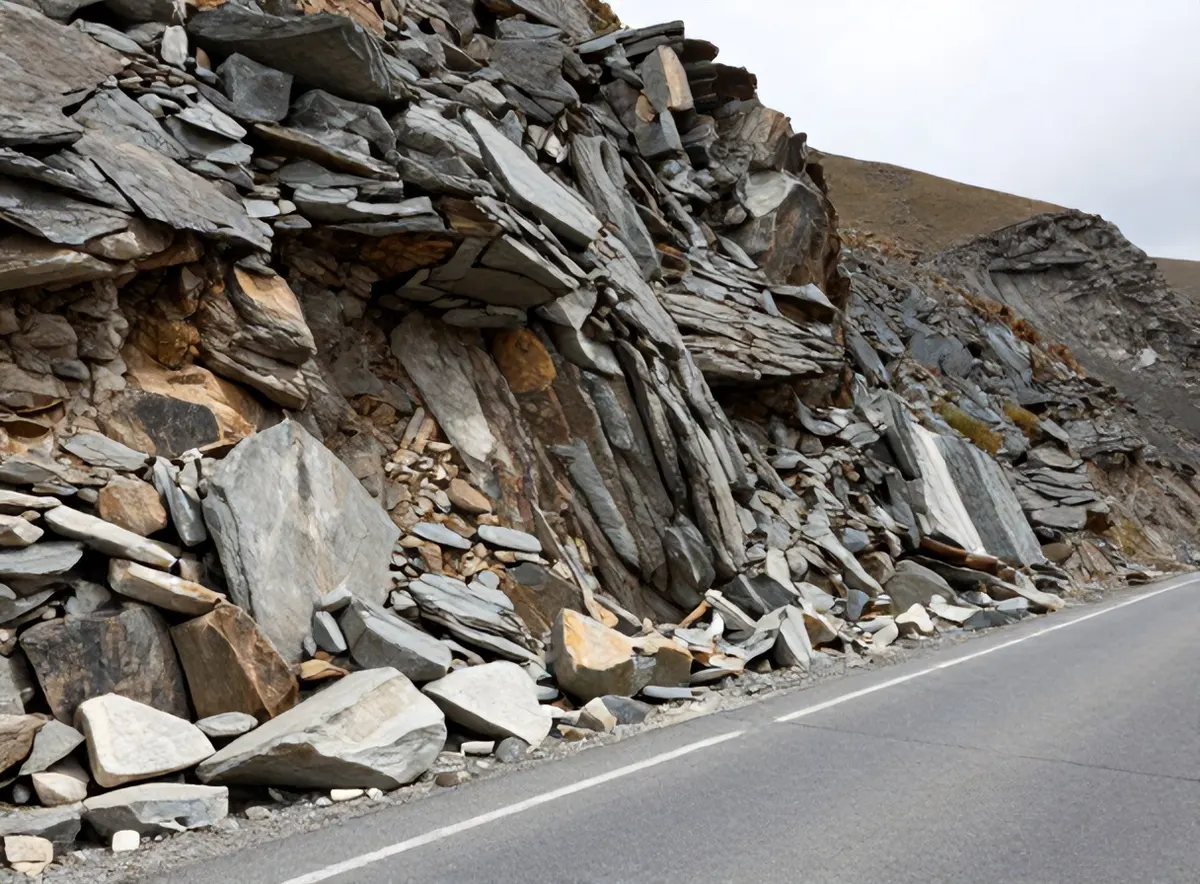
Transport routes suffered additional impacts after rockfalls forced authorities to close a section of National Highway 317. According to Xinhua, crews worked to clear debris from the road while allowing only emergency, rescue, and official support vehicles through. How might remote mountainous regions further strengthen emergency transport corridors against major natural hazards?