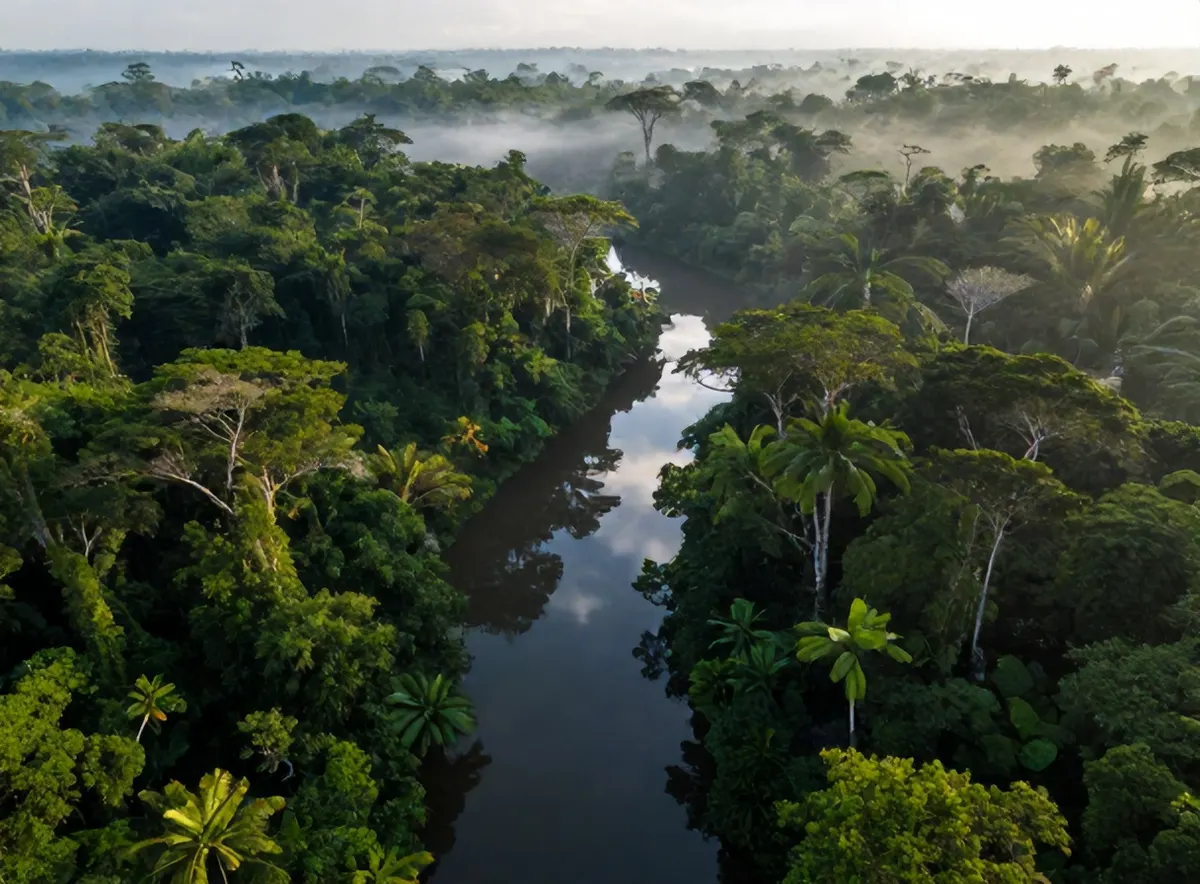
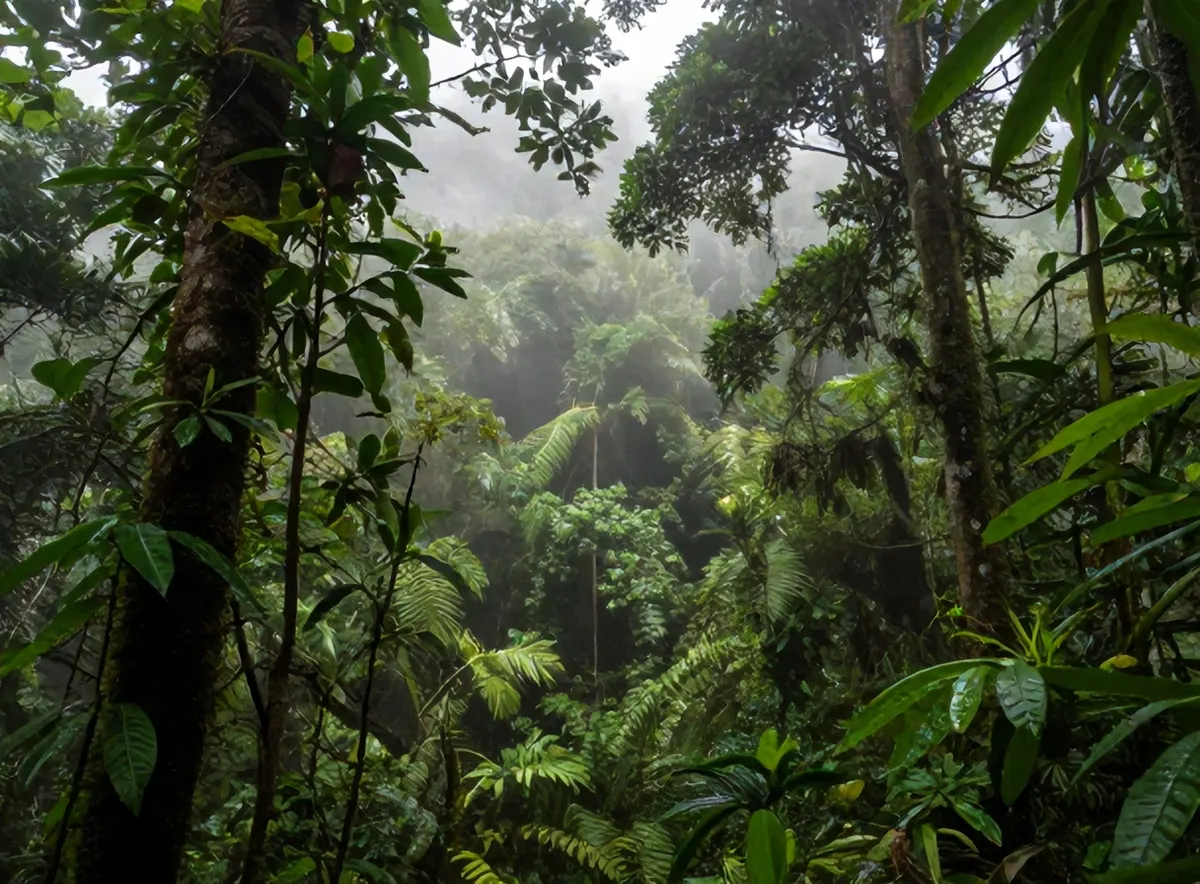
Field operations to locate the saola in the Annamite Mountains of Laos are at risk of halting following a sharp contraction in financial support. The species, a tropical bovid known scientifically as Pseudoryx nghetinhensis, has not been confirmed in the wild since a camera-trap photograph was captured in 2013. Without renewed resources, conservationists face major hurdles in continuing active field searches.
Teams typically exit the dense forest in July for the wet season and prepare to re-enter by October. However, Lorraine Scotson, CEO of the Saola Foundation for the Conservation of the Annamite Mountains, stated that recent funding shortfalls meant organizers could not confirm whether researchers would return to the field as scheduled. The species, which superficially resembles an antelope with curved horns and distinct facial markings, was only first described by scientists in 1992.
Conservation experts estimate that fewer than 50 saolas remain, with zero individuals held in captivity. Unlike many endangered species primarily threatened by deforestation, the saola's primary danger stems from indiscriminate hunting driven by the widespread use of wire and metal snares across the region. Some experts, such as researcher Long, express concern that the species might already be functionally extinct, noting that even if a few isolated individuals survive in remote rainforest pockets, the chances of sustaining a viable breeding population remain extremely low.
Beyond the saola, the Annamite Mountains serve as a critical ecological haven for dozens of endemic species found nowhere else on Earth. These include the giant muntjac, the Annamite striped rabbit, two gibbon species, three species of douc langurs, and the Laotian rock rat. Halting conservation and monitoring work in these remote ranges raises broader questions about how best to protect critically threatened biodiversity in difficult, underfunded terrains.