
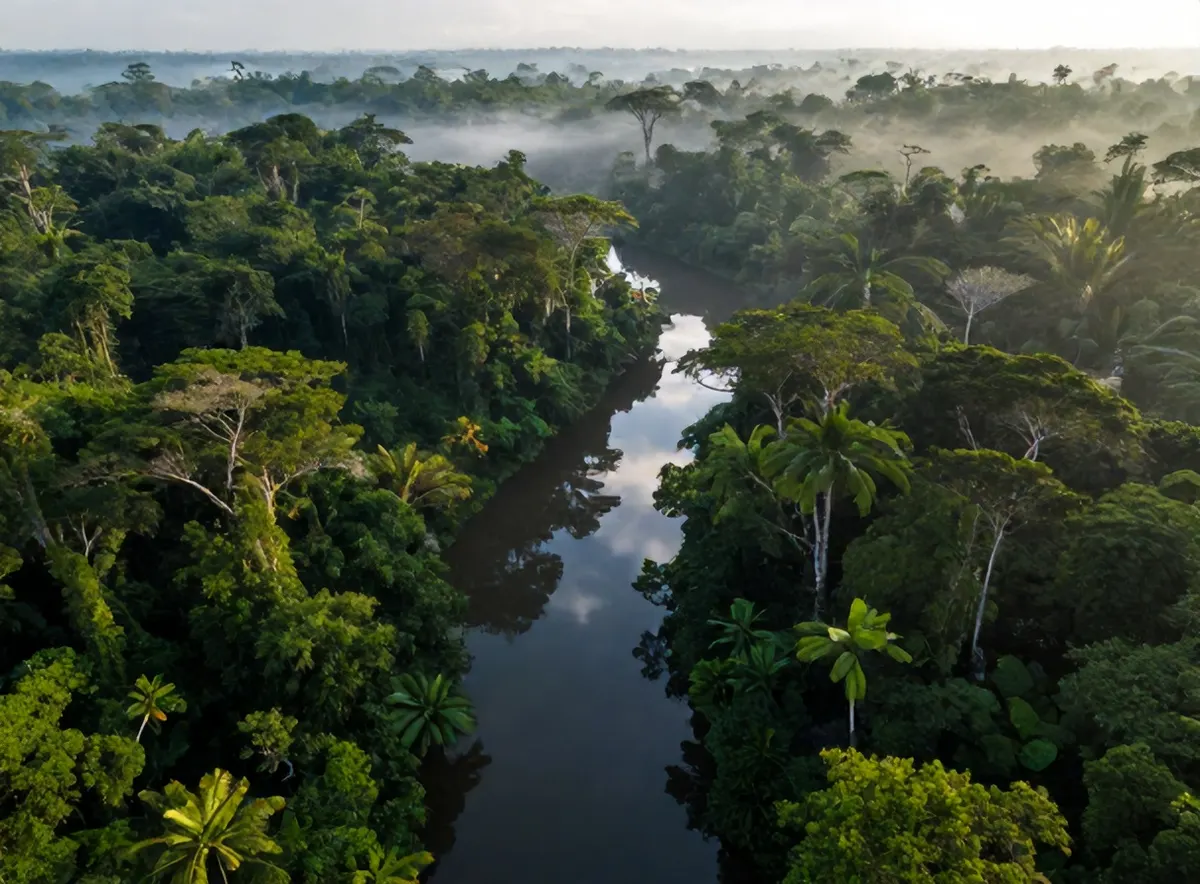
Forest clearing in the Brazilian Amazon dropped by 42% over the 12 months ending July 31, 2026, reaching a record low. According to data released by Brazil’s national space research institute, INPE, annual deforestation in Earth's largest rainforest amounted to 3,335 square kilometers (1,288 square miles), a footprint smaller than the Spanish island of Mallorca.
A parallel decline was documented in the neighbouring Cerrado savanna. Deforestation across the wooded Cerrado biome fell by 24% to 5,516 square kilometers, marking the lowest figure recorded for that region as well. Research from the nonprofit Amazon Conservation estimates that cumulative deforestation across the Amazon now stands at roughly 15% of the total biome.
The downward trend in forest loss gained momentum after President Luiz Inácio Lula da Silva took office in 2023. Lula's administration reinstated environmental law enforcement, widened conservation initiatives, and resumed official efforts to create protected areas and formally recognize Indigenous territories.
Despite these gains, environmental conditions and regional politics present ongoing variables. El Niño cycles are linked to drought across the southern Amazon, where fire activity typically climbs in the year following a strong event. Furthermore, political dynamics remain complex, with seven of the nine Amazon state governors allied with political frontrunner Flávio Bolsonaro, who has campaigned on scaling back protections for the rainforest.
How will long-term conservation policies hold up against emerging regional political shifts and shifting weather patterns?