Saudi Arabia reported that its air defenses intercepted multiple ballistic missiles, a cruise missile, and drones fired toward several cities on Sunday, including the capital Riyadh. According to statements from the Saudi-led coalition in Yemen, the intercepted attacks were launched by Iran-aligned Houthi forces.
Turki Al-Maliki, spokesperson for the Saudi-led Coalition to Restore Legitimacy in Yemen, stated via the official Saudi Press Agency that air defenses intercepted and destroyed two drones and one ballistic missile heading toward Riyadh. Al-Maliki added that forces also brought down 10 ballistic missiles aimed at the kingdom's southern region and intercepted a cruise missile directed toward the city of Khamis Mushait.
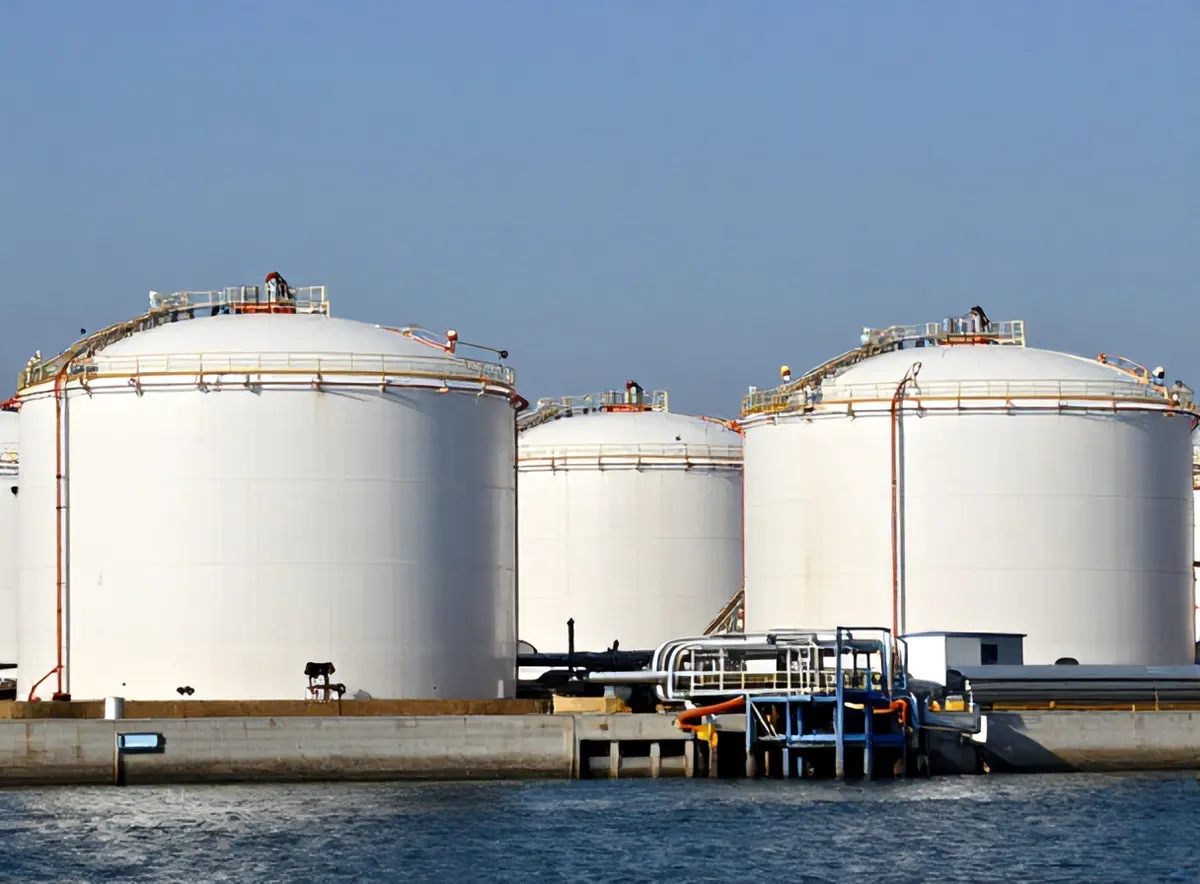
In a statement posted on Telegram, the Houthis claimed responsibility, saying they conducted seven military operations utilizing ballistic missiles and drones. The group specified that their intended targets included King Khalid International Airport in Riyadh, Saudi Aramco energy facilities in Yanbu on the west coast, and additional airports and infrastructure across the country.
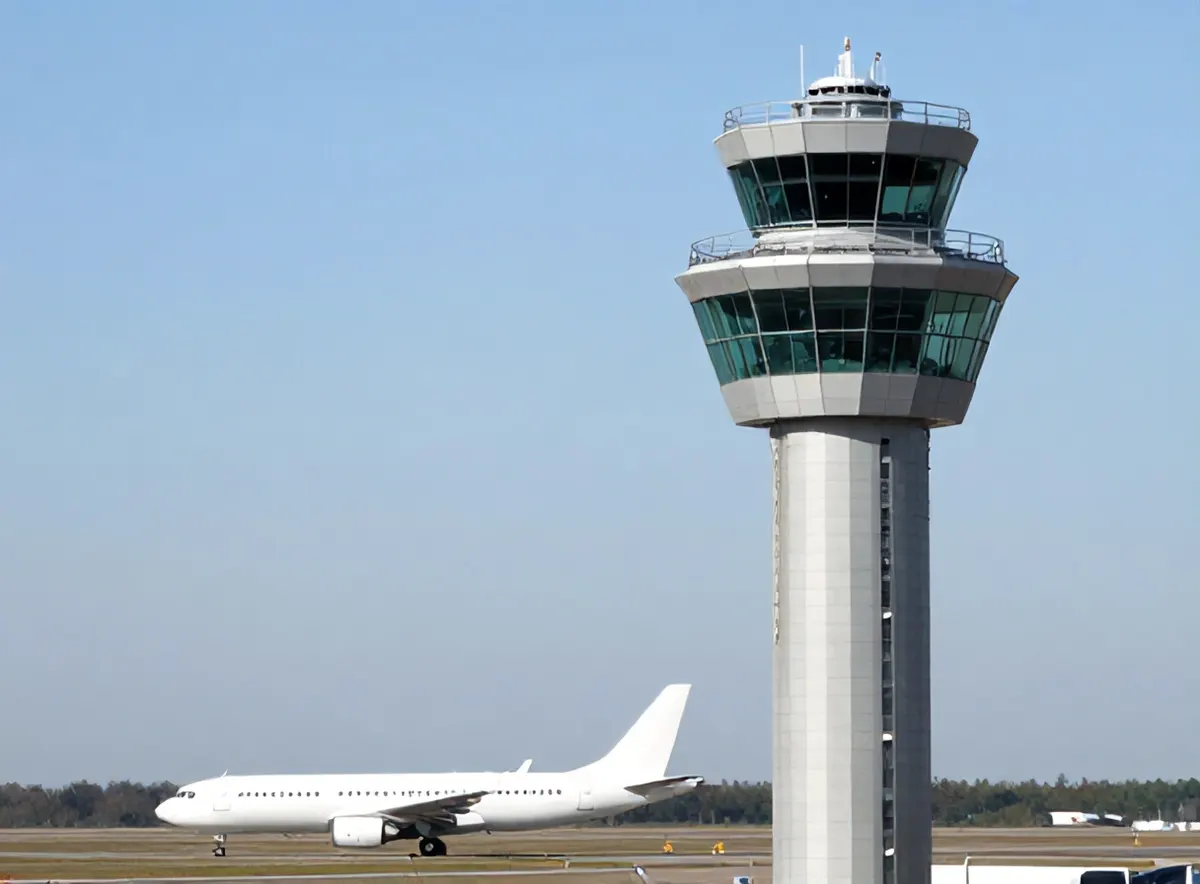
Despite the incoming strikes, King Khalid International Airport issued a notice confirming it resumed operations on Sunday, designating Terminal 1 for domestic travel and Terminal 2 for international flights. The facility had previously halted operations on Oct. 10 after a strike resulted in at least 13 deaths and injured approximately 300 people, marking the deadliest attack on Saudi territory in over a decade.
The persistent hostilities between Saudi forces and the Houthis, alongside geopolitical tensions fueled by remarks from President Donald Trump regarding potential U.S. and Israeli strikes on Iran following the Nov. 3 midterms, contributed to crude oil prices hitting a six-month high on Friday. How might ongoing regional security developments continue to influence global energy market stability?