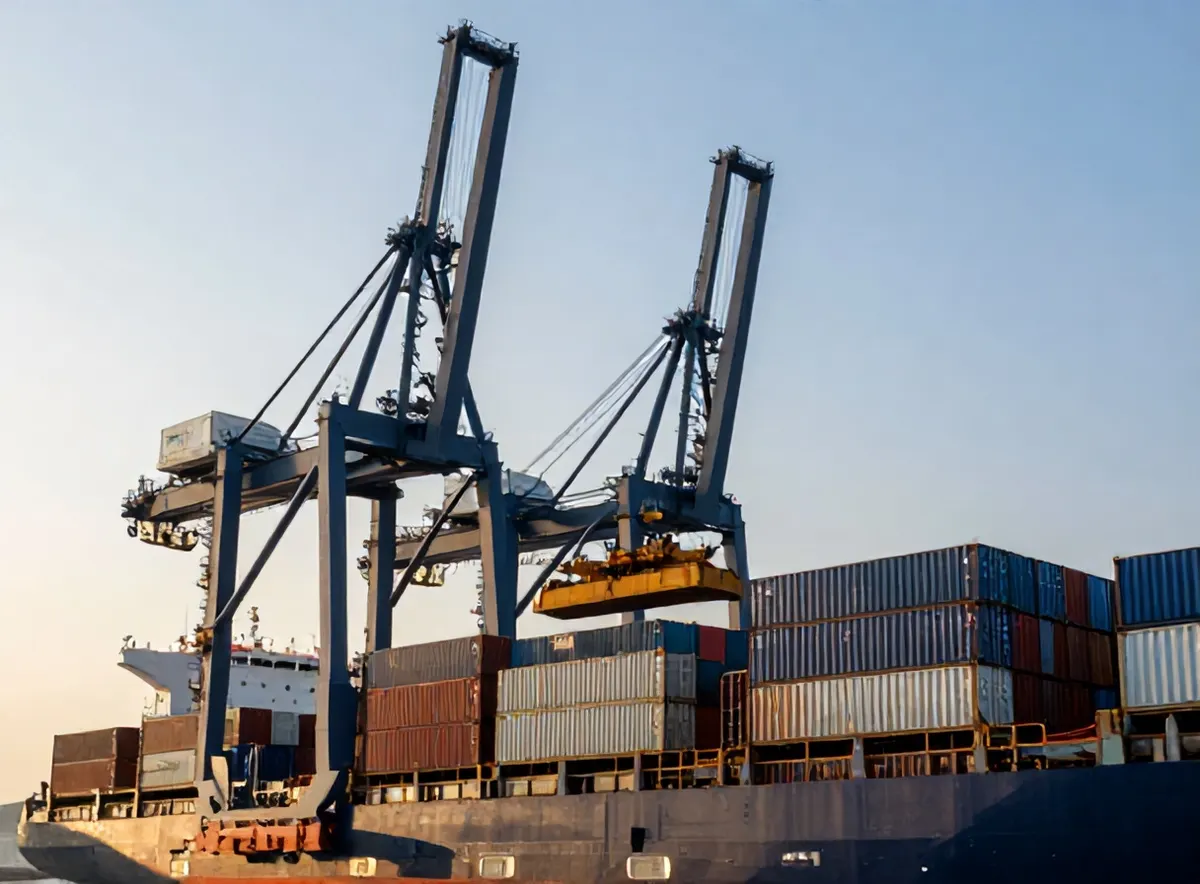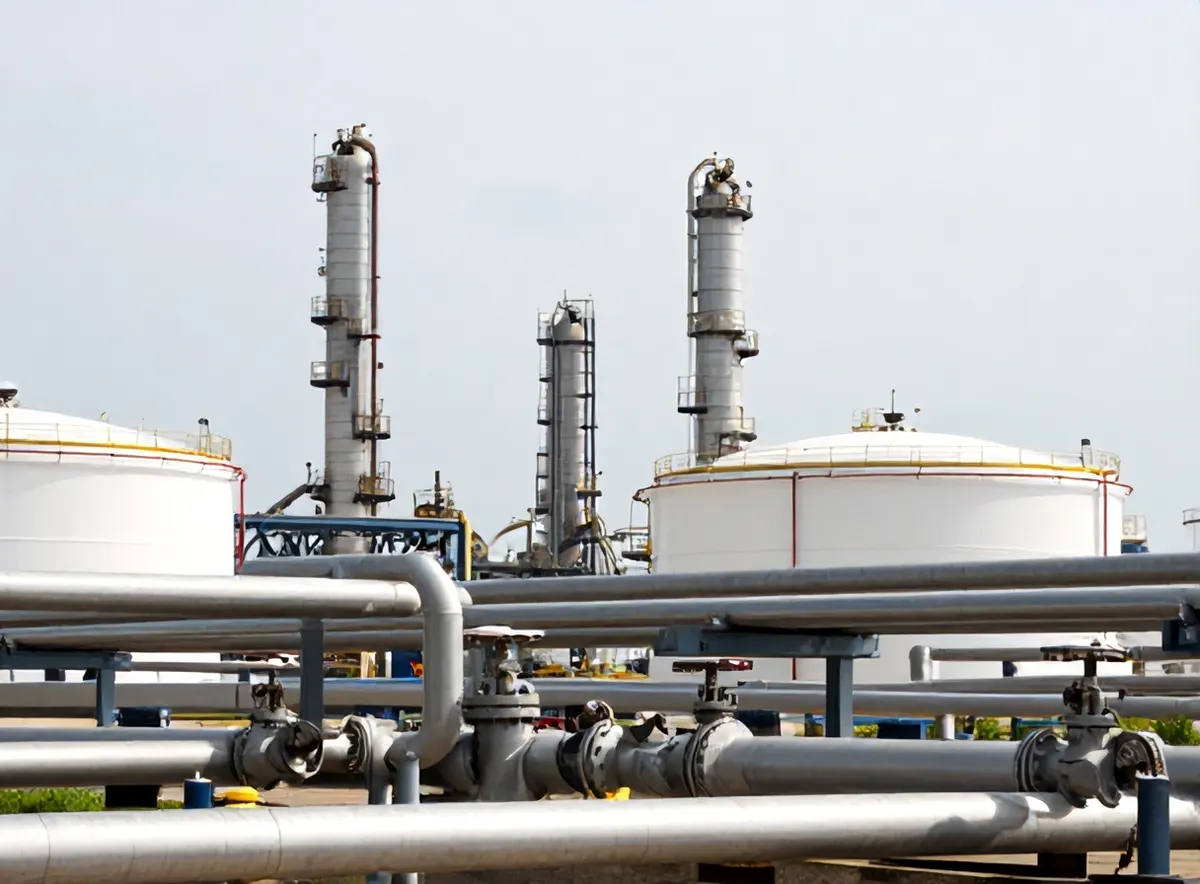
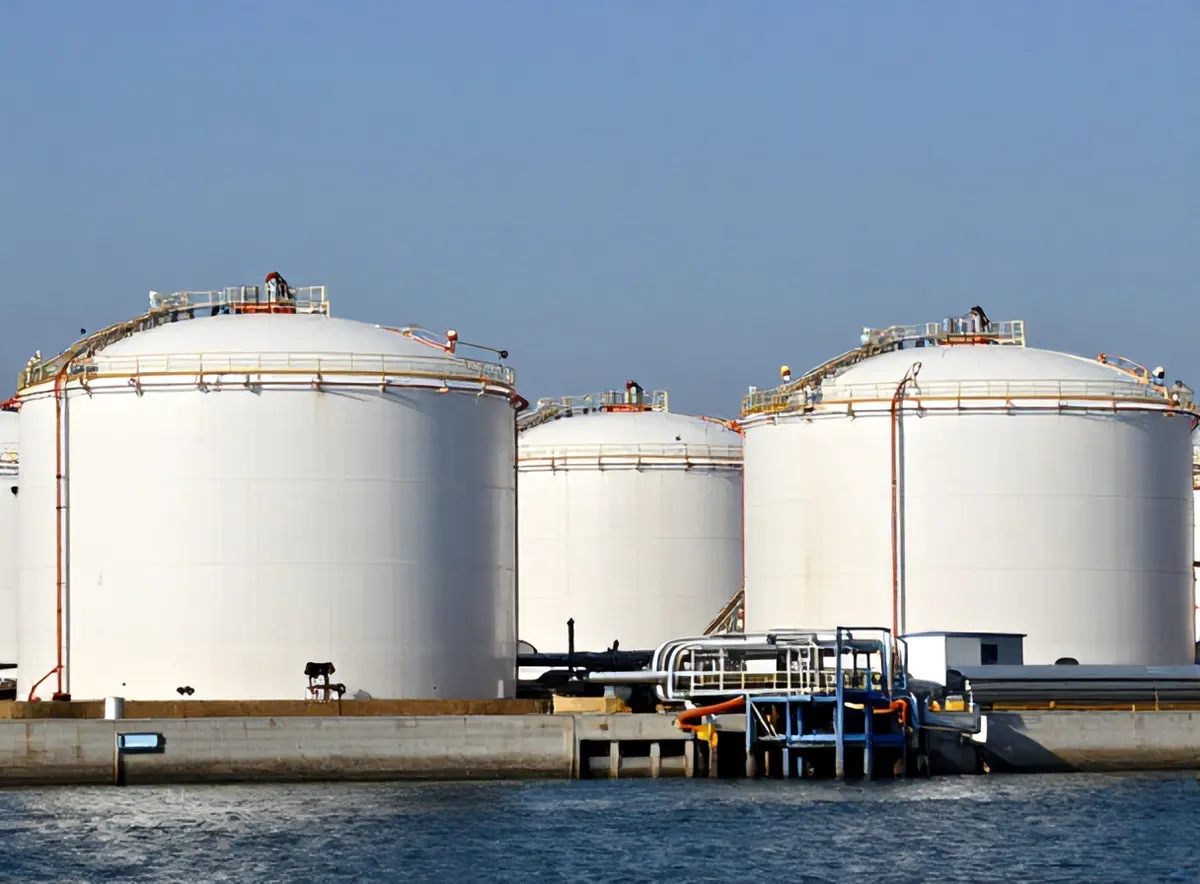
QatarEnergy has agreed to purchase 4 million metric tons of liquefied natural gas (LNG) annually from U.S. exporter Cheniere Energy through 2054. The purchase price for the supply is indexed to the U.S. Henry Hub price alongside a fixed fee, with deliveries scheduled to commence in the 2030s.
Cheniere plans to supply the contracted volumes from its Sabine Pass and Corpus Christi export facilities. Jack Fusco, the chief executive of Cheniere, stated that the company looks forward to reliably supplying QatarEnergy into the second half of the century. The agreed volume represents less than 1% of the overall global LNG trade, which exceeds 400 million metric tons.
Prior to recent regional conflict, Qatar ranked second only to the United States in global LNG exports. However, outbound shipments have experienced a major collapse over the past eight months following an Iranian bombing of Qatar's primary production facility at Ras Laffan. That attack caused severe damage to two production lines, disabling roughly 17% of the nation's total LNG export capacity.
According to Qatar's energy minister, Saad Sherida Al-Kaabi, repairing the damage at Ras Laffan will take approximately three years. In addition to facility damage, the minister noted that Qatar is currently exporting very little LNG due to the inability to transport shipments through the Strait of Hormuz.
As key producers navigate regional transit hurdles and extensive repair timelines, how might multi-decade import commitments alter long-term trade dynamics across international energy markets?