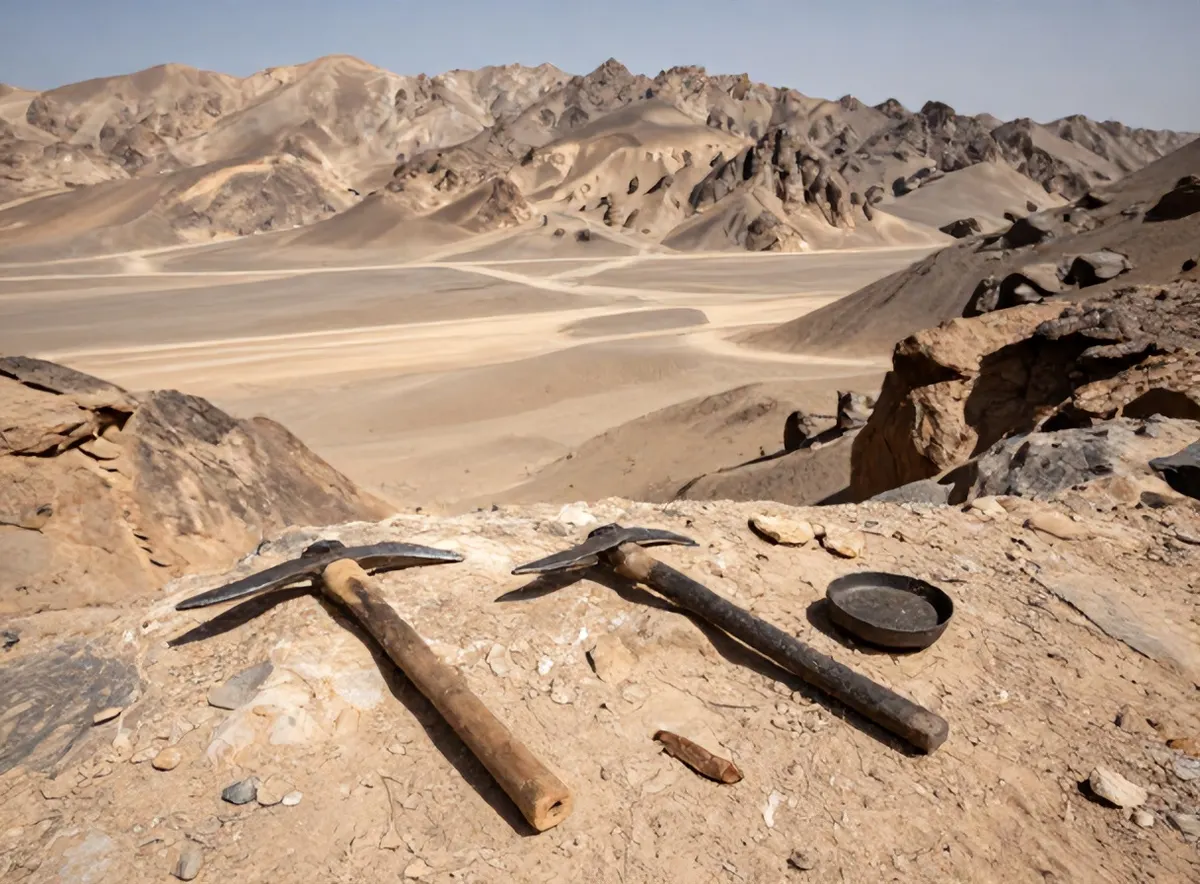
At least 72 artisanal gold miners have been killed in air strikes targeting a remote border zone between Sudan and Egypt, according to statements released by a human rights group on Sunday. The strikes took place on Saturday in rugged, mountainous terrain located south of the contested Halayeb triangle, east of the River Nile.
The Sudan-based advocacy group Emergency Lawyers stated that the targeted location falls within Sudanese territory and identified the incident as the second attack of its kind in the area this year. The organization accused the Egyptian air force of conducting the strikes, alleging that repeated military action reflects an effort to assert control over valuable mineral resources across the border zone.
The Halayeb triangle remains a long-standing territorial dispute claimed by both Egypt and Sudan. Beyond official boundary disagreements, the surrounding desert territory is widely known for artisanal mining, the illicit gold trade, and smuggling networks. Control of mineral wealth is a critical factor across the broader regional conflict, with groups such as the Rapid Support Forces (RSF) funding operations through gold smuggled from Sudan's Darfur and Kordofan regions.
Medical monitors have expressed severe concern over the condition of survivors. The Sudan Doctors Network warned that the death toll is expected to rise further due to the severity of injuries among the wounded and significant logistical hurdles in delivering emergency medical care to such an isolated and rugged area. How will ongoing regional tensions impact security and resource governance along this contested frontier?