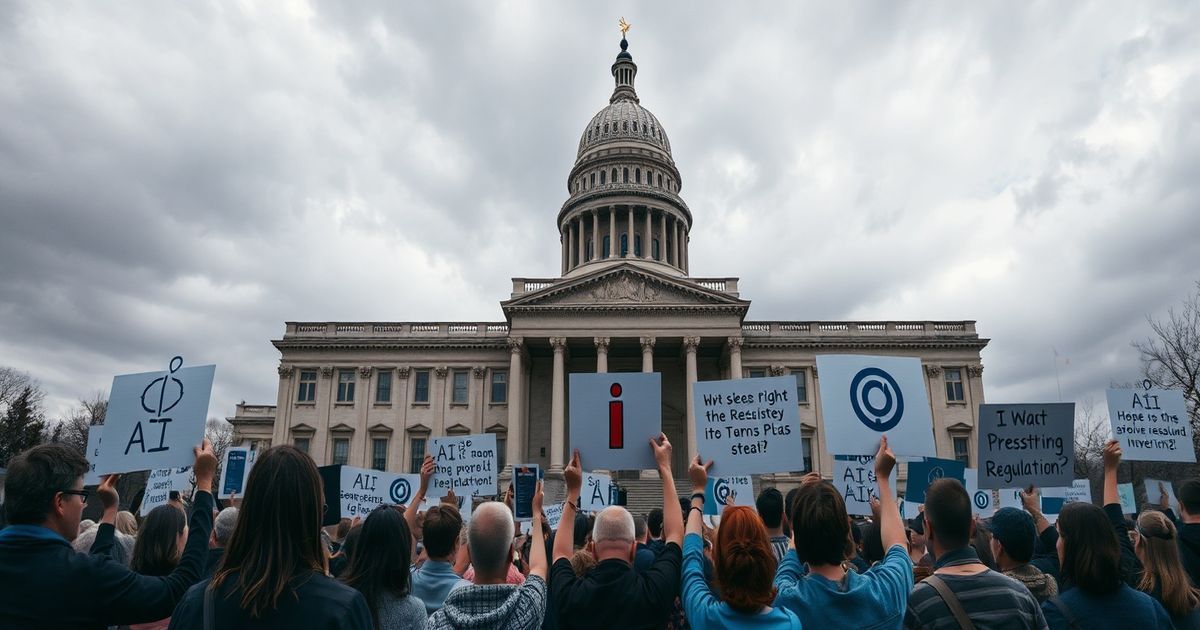
Colorado is charting a bold new course in artificial intelligence governance with the recent recommendations from its AI policy group regarding the state's pioneering 2024 AI law. This landmark legislation, the first of its kind in the nation, aims to establish guardrails for the development and deployment of AI technologies, ensuring they align with public interest and ethical standards. The newly released recommendations provide crucial guidance on how this forward-thinking law will be practically implemented, addressing key areas such as transparency, accountability, and risk management in AI systems.
The implications of Colorado's proactive approach extend far beyond the state's borders. As AI technology continues its rapid integration into nearly every facet of modern life, from healthcare and finance to transportation and entertainment, the need for robust regulatory frameworks has become increasingly apparent. Colorado's efforts serve as a potential blueprint for other states and even national governments grappling with how to harness the benefits of AI while mitigating potential harms like bias, job displacement, and privacy violations. The success of its implementation will be closely watched by industry leaders, policymakers, and the public alike, shaping the future trajectory of AI regulation globally.
Central to the recommendations are strategies for identifying high-risk AI systems and outlining requirements for developers and deployers. This includes mandates for impact assessments, data privacy protections, and mechanisms for redress when AI systems cause harm. The policy group has emphasized a balanced approach, seeking to foster innovation while safeguarding fundamental rights and promoting public trust in AI. This intricate balancing act is essential for ensuring that AI serves humanity responsibly and equitably, a challenge that resonates across all sectors and jurisdictions.
As Colorado moves forward with putting its landmark AI law into practice, what are your biggest hopes or concerns regarding the implementation of these new AI regulations?