
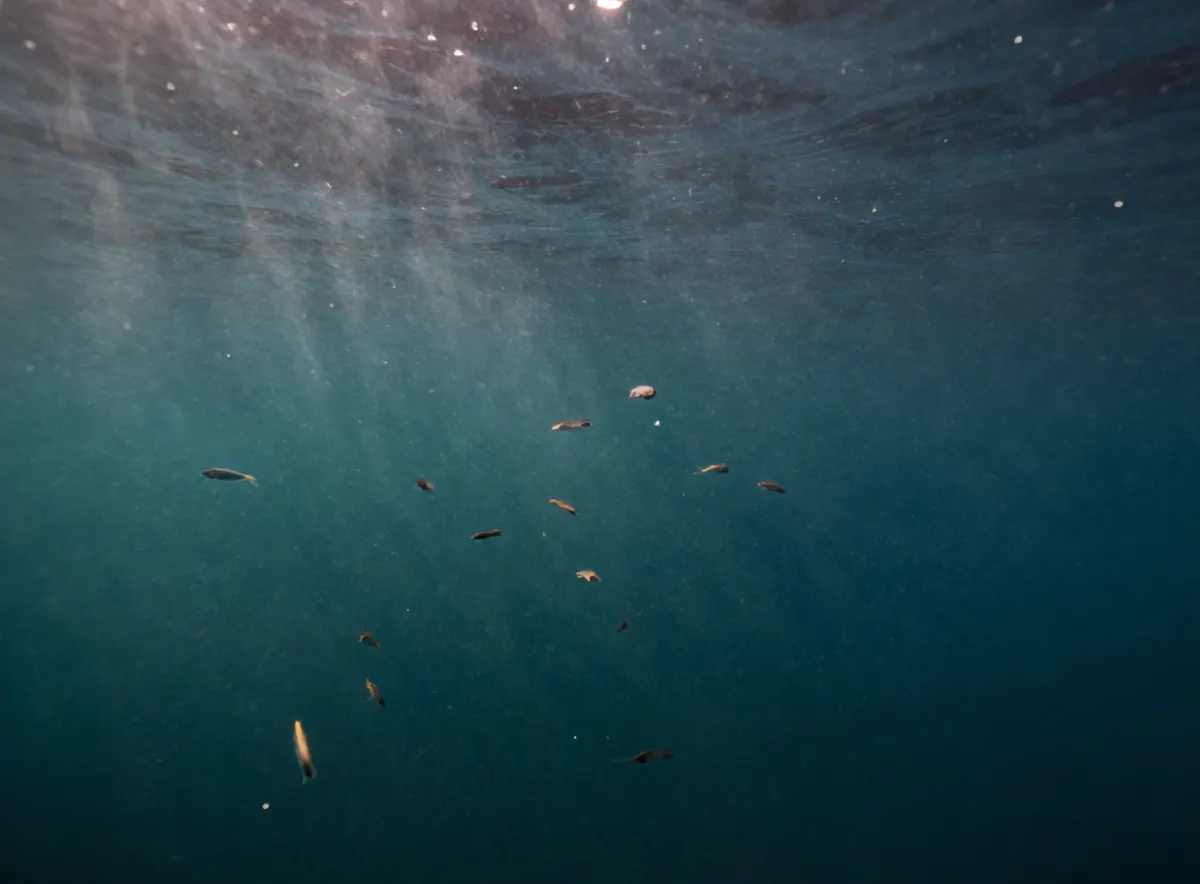
The BBC’s natural history series Blue Planet III is adopting a distinct visual approach by intentionally keeping less-than-perfect shots in its final cut. In an era where artificial intelligence increasingly produces synthetic visuals, the production team aims to prove the documentary's authenticity by showcasing raw, unfiltered marine environments rather than artificially flawless scenes.
Earlier installments of the franchise were celebrated for crystal-clear, stunning footage that occasionally appeared almost too pristine to be real. However, hyper-polished and seamless imagery has now become a common indicator of AI-generated content, prompting filmmakers to rethink their standard editing techniques.
Executive Producer Elizabeth White explained to The Guardian that elements such as floating plankton in the water would historically have resulted in a shot being discarded. For the upcoming series, the team is deliberately retaining these organic details to deliver a more genuine representation of the natural world.
Despite retaining visual imperfections, the production captures extraordinary wildlife behaviors. Featured scenes include dolphins using sea sponges to plug holes and trap fish, communication between different fish species, and massive gatherings of 200,000 crabs coordinating in feeding lines.
According to White, actual ocean life remains far more remarkable than anything artificial intelligence could imagine. As digital media grows increasingly saturated with synthetic generation, will audiences place greater value on visible flaws as proof of human and natural reality?